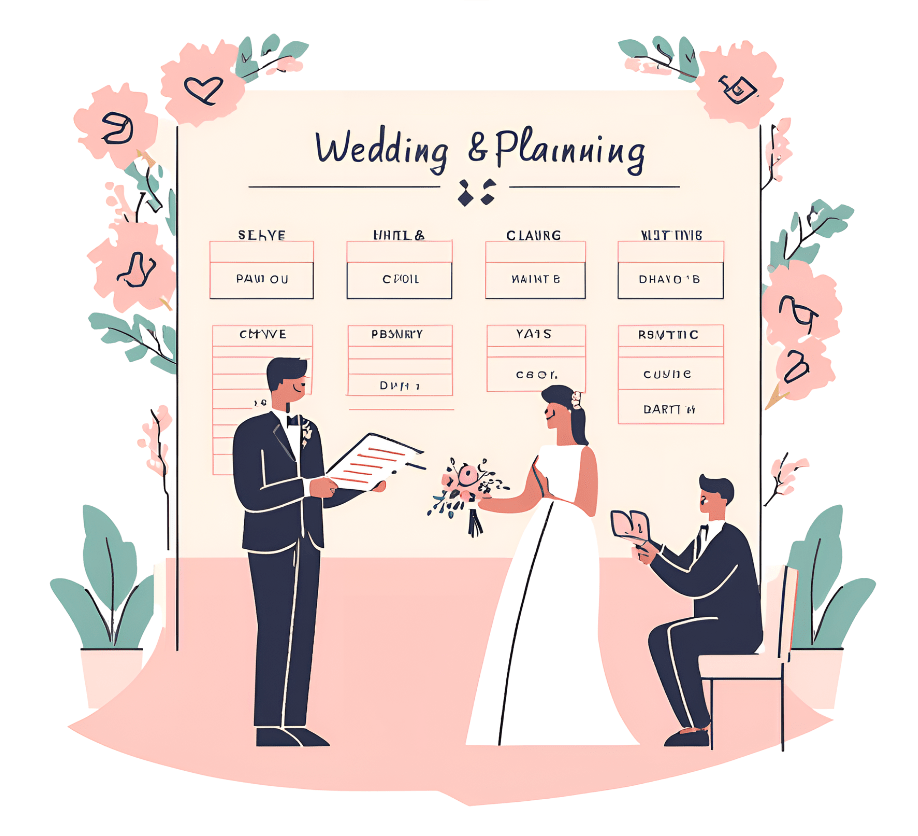
In the fast-paced and competitive world of wedding and event planning, effective communication is key. While words are essential, they might not always be the best tool for conveying complex information or grabbing attention fast. Enter infographics – the art of turning numbers and statistics into engaging visuals. Today, we’ll explore how event planners can use infographics to attract clients, enhance their services and even transform the client experience.
Why Data Visualization Matters
- Grab Attention: Let’s face it, people are more likely to pause and study a colorful graph or chart than a dense paragraph of text. Infographics instantly captures attention in a way that words alone can’t.
- Simplify the Complex: Weddings and events involve countless details – guest lists, budgets, vendor options, timelines… the list goes on. Infographics can distill this information into easy-to-understand visuals, making it easier for clients to grasp the big picture.
- Build Credibility: Numbers and statistics are powerful. By presenting data visually, you demonstrate your expertise and professionalism. Clients are more likely to trust a planner who can back up their claims with data.
- Enhance Decision-Making: Whether it’s choosing a venue, allocating budget or selecting a menu, decisions are a big part of event planning. Infographics empowers clients by giving them a clear understanding of their options and the impact of their choices.
How Event Planners Can Use Infographics
- Showcase Success: Create infographics or charts to demonstrate the success of past events. Share metrics like client satisfaction ratings, cost savings achieved, or the number of successful events organized.
- Market Your Services: Use visuals on your website and social media to highlight what sets you apart. For example, a chart showing your typical event timeline or a breakdown of your all-inclusive package options can be incredibly informative.
- Personalize Client Proposals: Tailor infographics to each client’s specific needs and preferences. Show them a potential floor plan with guest counts or a budget breakdown based on their priorities.
- Track Event Progress: Use visuals to track event milestones, budget spending and vendor performance in real-time. This not only helps you stay organized but also gives clients peace of mind.
- Gather Feedback: After an event, use surveys and collect feedback data. Visualize this data to identify areas where you excelled and areas for improvement. This can guide your future strategy.
Examples of Data Visualization in Action
- The Knot:This popular wedding planning platform often uses infographics to share trends, statistics and average wedding costs.
- Wedding Wire: Similar to The Knot, Wedding Wire uses data visualization to educate couples and provide industry insights.
- Individual Planners: Many independent event planners are incorporating data visualization into their client presentations and marketing materials to stand out.
The Bottom Line
In the digital age, data visualization and infographics are powerful tools for event planners. It’s more than just making things look pretty – it’s about effective communication, building trust and creating a more informed and satisfying client experience. By embracing data visualization, you’re not just keeping up with trends; you’re setting yourself apart as a forward-thinking and results-oriented professional.
 Molly Miller
Leave a comment